The Foundlings on Heiligenstein
06. October 2008 | 11:03
Every year, a winegrower visits his favourite vines – a little personal farewell ceremony in autumn.
Soon, the grapes will be harvested to be pressed in our pneumatic press, very carefully, but lost to the landscape.
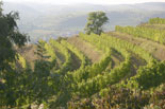
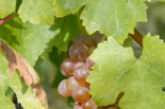
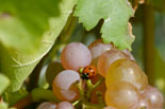
I have particular favourites on Heiligenstein: three foundlings among the old vines on the higher terraces. They belong to the same sort, but nobody, not even the best ampelographers (grape variety experts), has been able to identify them; they are sweet and delicately aromatic with yellowish, rose-tinted grapes, and they probably exist only here.
The idea of propagating this varietal makes me think of fatherhood, and of my own father, who passed away only a few years ago.
My father was a firm proponent of “letting grow” the grapes, of preserving a kind of natural wildness in the vineyard: “the vine fights its way up the tree, and then it wants to unfold its shoots freely,” he used to say.
This natural approach suffered a setback in 2008: the most orderly vineyards, in which the vines stand like soldiers on parade with grapes freed of leaves, are promising the best harvest this year. Wherever we left things more to themselves, mildew (peronospora ) has claimed leaves and berries, and reduced the vines to their original growth.
This example shows that every harvest is the result of the labour of an entire year. The grower has to react to nature all along, and to make decisions.
Our light and fresh base wines for the sparklers are now fully harvested, but we have to wait for the aromas to become more concentrated for the other wines – something only autumn days with cool nights and warm, sunny days will be able to achieve, and we continue to hope for a good sunny spell.