2010 – one of the most difficult vintages
15. November 2010 | 15:58
2010 was intimidating right from the start: it began with the eruption of an unpronounceable Islandic volcano, which darkened the skies. From the very beginning we were behind with the usual vegetation circle, then it rained during blossoming and the fruit set was extremely weak.
Summer came late, and improved things only marginally. A long time on the vine allowed the grapes to develop sufficient sugar, but did not induce them to lose much of their acidity – ideal conditions for base wines for our sparkling wines, which need acidity, but not for full, ripe wines, especially red wines.
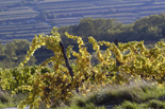
From September the strong rains stopped, the soil began to dry off, and we could begin with the harvest. Very cold nights with temperatures around freezing made the foliage drop off the plants and lead to a last surge in maturation for the grapes: water evaporated, acidity was reduced. The wines which were harvested late will be of outstanding quality: perhaps the best Loiser Berg we ever had!
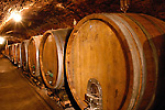
The grapes which were harvested in October have already finished their fermentation and can be tasted as unfiltered wines.
Traditional methods allow us to take the sting out of an acidic young wine around the time of bottling. By adding chalk one can neutralize high acidity, but I personally am no friend of this method, I prefer malolactic fermentation which involves leaving the wine on the lees in order to allow them to reduce acidity naturally. The result is not only milder, but also rounder and characterized by a delicate spice, particularly for Veltliner. It is a shame for the lovely green apple taste, but one simply can’t have everything. As a winemaker one must accept that nature plays the leading part in the wine making process, and that the possibilities of intervention are limited, and guided by personal taste. The main question for the winemaker is still: which wine would I most like to drink myself, would I like to pour for my friends.
Personally, I’m not much of a young wine drinker. I enjoy wines more when they have had a few years to settle. The Greek sage Dioscurides said: “Wine should be drunk after seven years.” He was not entirely wrong, even if I would tend towards three or four years, especially for our sparkling wines.
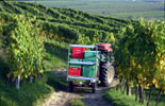
The grapes have almost all been harvested. In addition to the usual autumn work such as repairing stone walls and removing bird netting, the “dry hours” are used to bring the last grapes into the cellars. The harvest meal for all harvesters is booked for 18 November at the Bründlmayer Heurigen, and by then even the last remainders will have been harvested and the entire crew can taste the first results of their labours this year.